
Cancer recovery support in Stratford upon Avon
Important: The therapies offered at Revive Restore Repair are complementary — they are not treatments for cancer, nor are they a substitute for medical care. This page describes how our therapies may support wellbeing and recovery alongside conventional cancer treatment. Always consult your oncologist before beginning any new therapy.


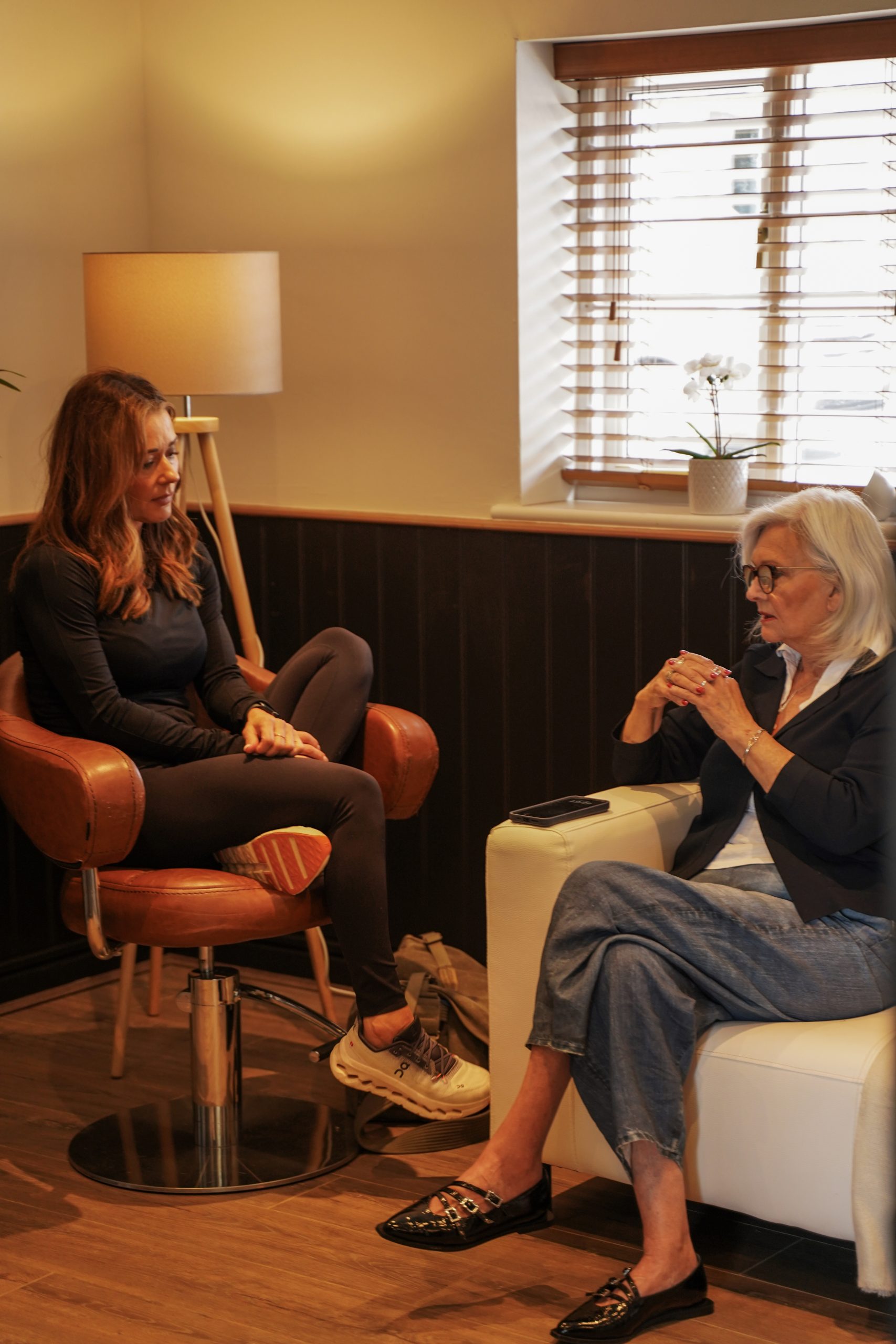
Your journey towards recovery
Recovering from cancer treatment is its own journey. Chemotherapy, radiotherapy, and surgery leave the body depleted in ways that take months — sometimes years — to fully address: fatigue that won’t lift, wounds that are slow to heal, immune function that needs rebuilding, and a nervous system that has been through significant stress.
At Revive Restore Repair in Stratford-upon-Avon, we offer a range of complementary therapies that can support your recovery process — working alongside your medical team, not instead of them.
Therapies for cancer recovery
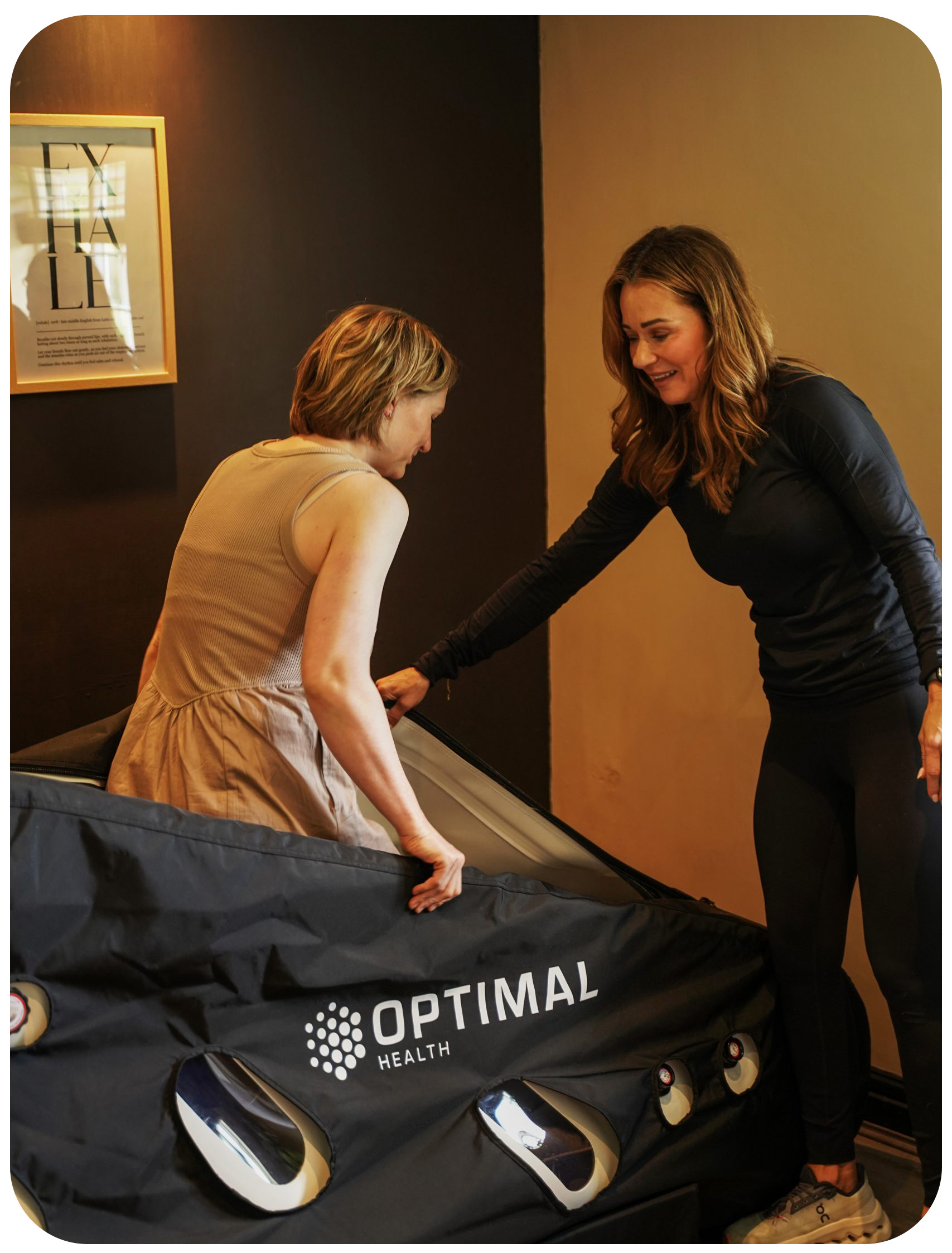
Hyperbaric Oxygen Therapy (HBOT) has been used for decades in oncology settings, particularly for late radiation tissue injury — damage to soft tissue or bone caused by radiotherapy. Delivering pure oxygen at increased atmospheric pressure promotes healing at a cellular level, accelerates tissue repair, and supports immune function. We work with post-treatment clients and those managing the ongoing effects of radiation. All HBOT programmes begin with a consultation to ensure suitability.
Red Light Therapy uses specific wavelengths of light to reduce inflammation, stimulate cellular energy production, and support tissue repair. For cancer recovery clients, this can be particularly valuable for managing fatigue, scar tissue, and skin changes post-radiotherapy. Sessions are non-invasive, painless, and take approximately 20 minutes.
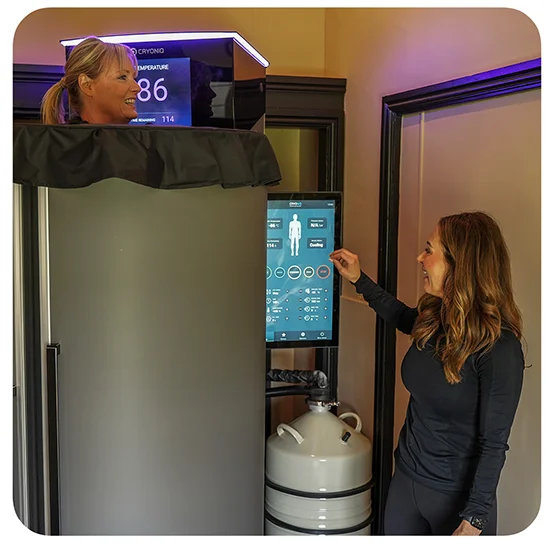
Cryotherapy — whole-body cold therapy — can help manage treatment-related fatigue and support mood through its effects on anti-inflammatory pathways and endorphin release. It’s not appropriate for all recovery stages; we assess individual suitability carefully before recommending it.
Working alongside your medical team
We ask all cancer recovery clients to share relevant medical history and, where possible, a note of clearance from their oncologist or GP. This isn’t a formality — it’s how we ensure your programme is genuinely safe and well-matched to where you are in recovery.
If you’re unsure whether our therapies are right for you at this stage, book a free consultation. We’ll be honest about what we can and can’t offer, and we’ll never push a programme that isn’t appropriate for your circumstances.
Sources: NHS guidance on HBOT for radiation injury; Macmillan Cancer Support on complementary therapy; Cancer Research UK on supportive care.
A quiet space away from treatment
After months of hospital visits, having somewhere calm to focus on getting better matters. Our clinic in the Warwickshire countryside is private, unhurried and completely separate from the clinical settings you’ve been used to. Come and see the space, talk through what you’re going through, and we’ll give you an honest view of how we can help. Your first consultation is free.

“After major Ovarian Cancer surgery, the results of using HBOT have been mind-blowing. My energy is up, brain fog has gone and wounds have healed that couldn’t before.
Lydia
Recovering from a rare form of Ovarian Cancer
Multi-machine multi-boost
By combining all the benefits of each machine into a concentrated recovery program, we can address the most common challenges clients face after cancer treatment – fatigue, tissue damage, inflammation, and lowered immunity – into a highly personalised recovery program.

Immune system lift

Reduce chronic pain

Improves your sleep quality

Faster muscle recovery

Boosts collagen creation
Improves your immune system

Upto 60% faster wound healing
Improves your sleep quality
Reduce any inflammation
Faster muscle recovery
Reduce any inflammation
Speeds up wound healing
Improves your sleep quality

Visible skin boost
Faster muscle recovery
Cancer recovery FAQs
Are your therapies safe during or after cancer treatment?
Our therapies are complementary and non-pharmaceutical. HBOT, Red Light Therapy, and Cryotherapy are not treatments for cancer. We work with post-treatment clients and those in active maintenance phases — never as a substitute for medical care. All cancer recovery clients undergo a detailed consultation, and we ask for clearance from your oncologist or GP before beginning a programme. If you’re mid-treatment, please consult your medical team first.
Can HBOT help with radiation tissue damage?
Yes — HBOT has a recognised clinical role in treating late radiation tissue injury (LRTI), which can affect soft tissue, bone (osteoradionecrosis), and the bladder or bowel following pelvic radiotherapy. By delivering high-concentration oxygen to damaged tissue, HBOT supports angiogenesis (new blood vessel formation) and cellular repair. This is one of the most well-evidenced applications of HBOT in an oncology context.
Is Red Light Therapy safe after chemotherapy or surgery?
Generally yes, though we assess each client individually. Red Light Therapy is non-invasive, does not involve UV exposure, and has a strong safety profile. For post-chemotherapy fatigue and post-surgical wound healing, it can be a valuable support tool. We do not apply Red Light Therapy directly to active cancer sites or areas undergoing active radiotherapy.
How many sessions are typically needed for cancer recovery support?
This depends entirely on your treatment history, current symptoms, and recovery goals. Some clients come specifically for HBOT to address radiation-related tissue damage, which may involve 20–40 sessions. Others seek general recovery support and may begin with a shorter course. We design programmes around you, not a fixed package.
Do I need a GP or oncologist referral?
A formal referral isn’t required to book a consultation, but we do ask cancer recovery clients to obtain medical clearance before beginning treatment. This is for your safety. We’re happy to provide written information about our therapies to share with your medical team.
GET IN TOUCH
Book a free consultation today
Every recovery journey is unique and we’ll create your tailored protocol adjusted to your needs — whether you need more oxygen therapy for healing, red light for tissue repair, or cryotherapy for energy and mood.

© 2026