Multiple Sclerosis (MS) support in Stratford upon Avon
Living with Multiple Sclerosis means navigating a condition that is unpredictable, progressive, and profoundly individual. Symptoms vary widely — fatigue, spasticity, pain, cognitive difficulties, balance problems — and so does the experience of any given week. Managing MS is a long game, and most people with the condition are always looking for ways to maintain function, reduce symptom burden, and support quality of life alongside their NHS treatment.
At Revive Restore Repair in Stratford-upon-Avon, we work with MS clients as a complementary resource — not a replacement for your neurologist or your disease-modifying therapy (DMT). Our three therapies each address different aspects of MS symptom management.


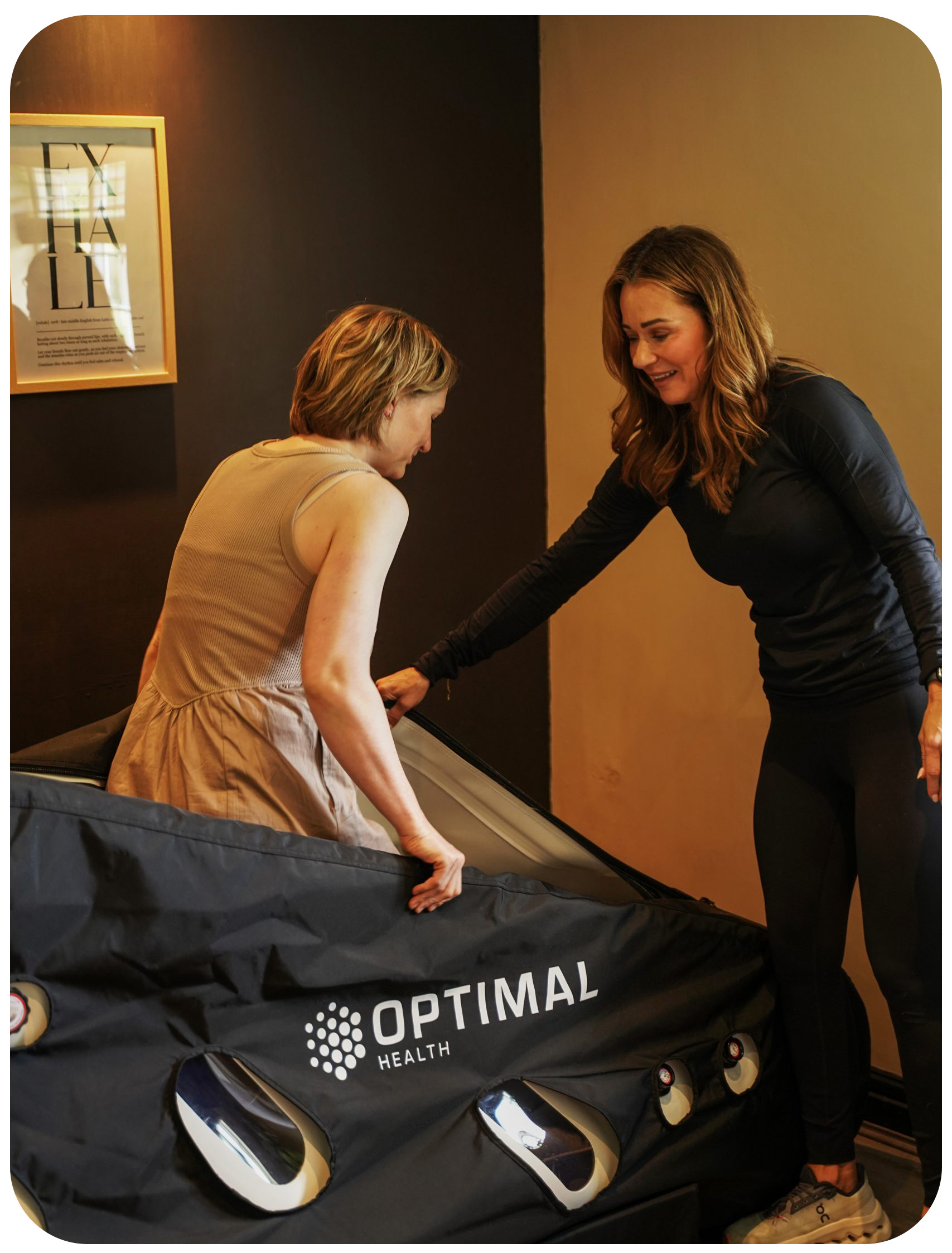
HBOT and MS
Hyperbaric Oxygen Therapy has a longer connection with MS than most people realise. Since the early 1980s, MS charities in the UK — including the Multiple Sclerosis Trust — have noted HBOT as one of the most consistently used complementary therapies by people with the condition. Proposed mechanisms include reducing hypoxia in demyelinated regions, modulating immune function, and supporting neurological repair.
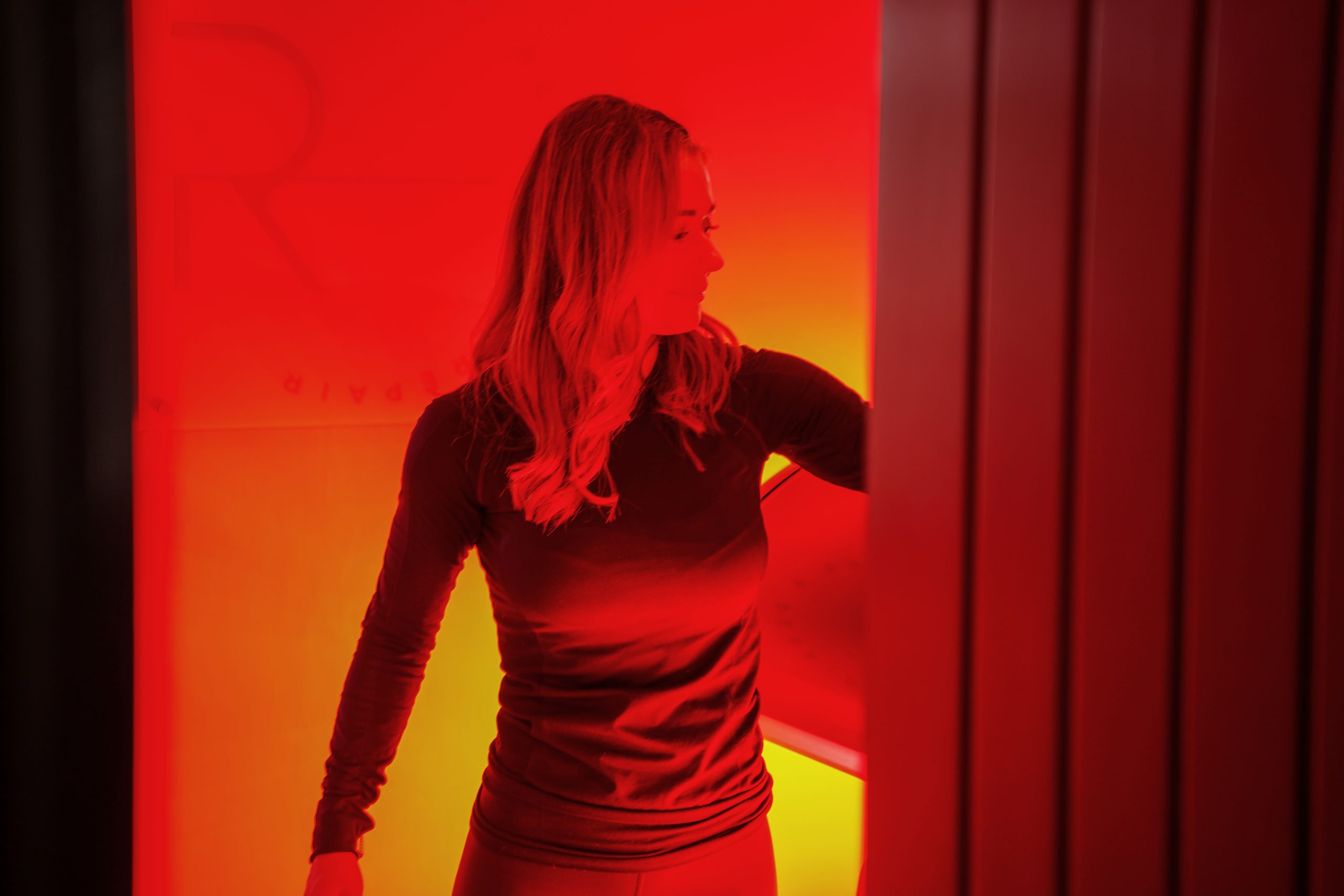
Red Light Therapy for Fatigue and Function
Fatigue affects up to 80% of people with MS and is frequently cited as one of the most debilitating symptoms. Red Light Therapy has been shown to reduce fatigue, improve mitochondrial energy production, and modulate neuroinflammation — all relevant mechanisms for MS. Sessions are non-invasive, require no exertion, and take around 20 minutes.
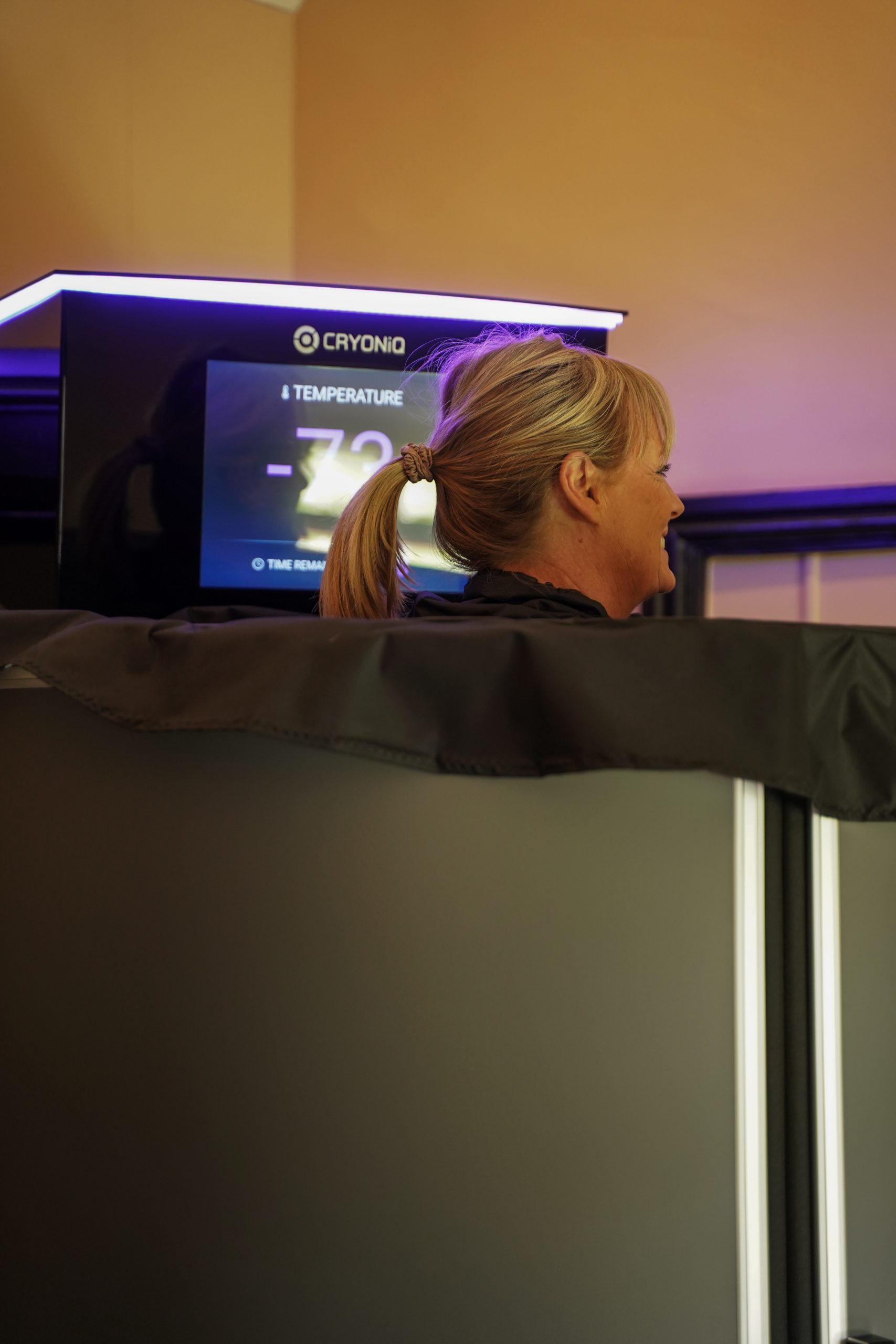
Cryotherapy for Spasticity & Heat Sensitivity
Many people with MS experience heat sensitivity (Uhthoff’s phenomenon) — where elevated body temperature triggers a temporary worsening of symptoms. Cryotherapy offers the opposite: controlled cold exposure that reduces core body temperature and can temporarily reduce spasticity and improve mobility. We assess suitability carefully, as cold tolerance varies with MS.
Complementary, Not Curative
We’re clear about what these therapies are and what they aren’t. They won’t stop MS progression. What they may do is help manage symptoms, support energy levels, and improve quality of life. Book a free consultation and let’s talk about where you are and what might actually help.
Multi-machine multi-boost
By combining all the benefits of each machine into a concentrated personal program, we can address the most common challenges for clients who live with Multiple Sclerosis (MS) – balance and energy – into a highly personalised program.

Improves your immune system

Upto 60% faster wound healing

Improves your sleep quality

Reduce any inflammation

Faster muscle recovery
Reduce any inflammation
Speeds up wound healing
Improves your sleep quality

Visible skin boost
Faster muscle recovery
Multiple Sclerosis FAQ’s
Is HBOT recommended for MS?
HBOT is not a disease-modifying treatment and does not stop MS progression. However, it has been one of the most widely used complementary therapies for MS in the UK since the 1980s, and the Multiple Sclerosis Trust acknowledges its use. Evidence for specific symptom relief (fatigue, bladder function, spasticity) is mixed but present. We discuss this honestly at consultation so clients can make informed decisions.
Can Red Light Therapy help with MS fatigue?
Fatigue is the most debilitating symptom for many MS clients, and Red Light Therapy is one of the more evidence-backed approaches for fatigue specifically. It works by stimulating mitochondrial ATP production, reducing systemic inflammation, and supporting nervous system regulation. Sessions are passive — you lie under the light for around 20 minutes — making them accessible even on high-fatigue days.
Is cryotherapy safe for people with MS?
It depends on your current symptoms and cold tolerance. Many MS clients find cryotherapy helpful for managing spasticity and the temporary functional benefits of cooling. However, cold sensitivity varies — some people with MS find cold exposure uncomfortable or difficult to tolerate. We assess each client individually and never pressure anyone into a therapy they’re uncertain about.
Will these therapies interfere with my MS medication or DMTs?
We are not aware of any documented interactions between HBOT, Red Light Therapy, or Cryotherapy and standard MS disease-modifying therapies. However, we always recommend informing your neurologist that you’re undertaking complementary therapies. We ask all MS clients to share their current medication list at consultation.
How often should I attend sessions for MS symptom management?
This varies by individual and therapy. For HBOT, many MS clients attend weekly or fortnightly as a maintenance programme. Red Light Therapy can be used 2–3 times per week in an intensive phase, then reduced to weekly maintenance. Cryotherapy is typically used 2–3 times per week. We’ll design a realistic, sustainable programme based on your current symptoms.
GET IN TOUCH
Book a free consultation today
Every recovery journey is unique and we’ll create your tailored protocol adjusted to your needs — whether you need more oxygen therapy for healing, red light for tissue repair, or cryotherapy for energy and mood.

© 2026