
Your complete guide to Red Light Therapy: Your Questions Answered
Revive Restore Repair in Warwickshire offers non-surgical Pelvic Floor treatment using high-intensity focused electromagnetic stimulation (HIFEMS) — a clinically proven technology that contracts the pelvic floor muscles thousands of times per session, producing results that Kegel exercises alone cannot achieve. Treatment is suitable for stress and urgency incontinence, post-natal recovery, menopausal pelvic floor decline, and prolapse prevention. No GP referral is needed. Sessions run for 30 minutes; a standard course is six sessions.
What Is Pelvic Floor Treatment? (And Why It’s Not Just Kegels)
The pelvic floor is a group of muscles and connective tissue that spans the base of the pelvis. It supports the bladder, bowel, and uterus — and it weakens. Pregnancy, childbirth, hormonal changes in menopause, and ageing all reduce pelvic floor tone over time.
The HIFEMS chair — the technology used at Revive Restore Repair — sidesteps the Kegel problem entirely. During a 30-minute session, the electromagnetic field induces supramaximal muscle contractions: contractions far more powerful than any voluntary effort, repeated thousands of times. You remain fully clothed throughout. No internal procedures.
A 2019 study in the Journal of Women’s Health found significant improvement in stress urinary incontinence symptoms after HIFEMS treatment, with the majority of participants reducing or eliminating pad use.
Why Kegels Often Don’t Work
Let’s be honest: most women who have pelvic floor symptoms have already tried Kegel exercises. They’ve done the NHS leaflet. They’ve used the apps. And the leakage continued.
This isn’t failure. It’s a strength threshold issue.
Kegel exercises require sufficient baseline muscle tone to create a meaningful contraction. When weakness is significant, the exercise itself becomes the obstacle. The HIFEMS chair bypasses this barrier — creating supramaximal contractions, stronger than anything achievable voluntarily, repeated thousands of times per session. The muscle rebuilds regardless of its starting point.
Women who have spent years doing Kegels without results often see meaningful change within the first course of treatment.
Pelvic Floor Treatment Providers Near Stratford-upon-Avon
1. Revive Restore Repair (Stratford-upon-Avon) ⭐
Non-surgical electromagnetic chair therapy (HIFEMS). No referral, no waiting list. The only clinic in the local area offering this modality.
2. Therapy Fusion (Stratford-upon-Avon)
Pelvic floor physiotherapy. Manual assessment and exercise-based rehabilitation.
3. Tudor Physio (Warwickshire)
Traditional pelvic floor physiotherapy. Exercises and manual therapy.
4. NHS SWFT
Pelvic floor service via GP referral. Physiotherapy-based; waiting times apply.
These are different tools, not competing options. Physiotherapy is appropriate for mild weakness. HIFEMS is the right choice when exercise alone hasn’t worked. They can also be used together.
Menopause and the Pelvic Floor
Oestrogen is the key maintenance hormone for pelvic floor health. When oestrogen declines through menopause, the entire pelvic floor ages faster. This is called genitourinary syndrome of menopause (GSM). The British Menopause Society estimates it affects around 50% of women after menopause — but fewer than 25% ever seek treatment.
Electromagnetic stimulation rebuilds pelvic floor muscle tone regardless of hormonal status. For women using HRT, combining oestrogen support with HIFEMS addresses both the hormonal and structural elements.
Combining pelvic floor treatment with red light therapy at RRR creates a more complete protocol: red light supports collagen synthesis while HIFEMS rebuilds muscular strength.
Women in perimenopause: this is also the time to start. Proactive strengthening before significant decline is far more effective than rehabilitation after.
Combining Pelvic Floor Treatment with Other Therapies
Post-natal recovery: Pelvic floor HIFEMS + HBOT. HIFEMS rebuilds muscle; HBOT accelerates tissue repair.
Menopause — full protocol: Pelvic floor chair + red light therapy + HBOT. Addresses muscular, structural, and vascular elements.
Prolapse prevention: Pelvic floor chair as ongoing maintenance. Monthly sessions after initial course sustain muscle tone.
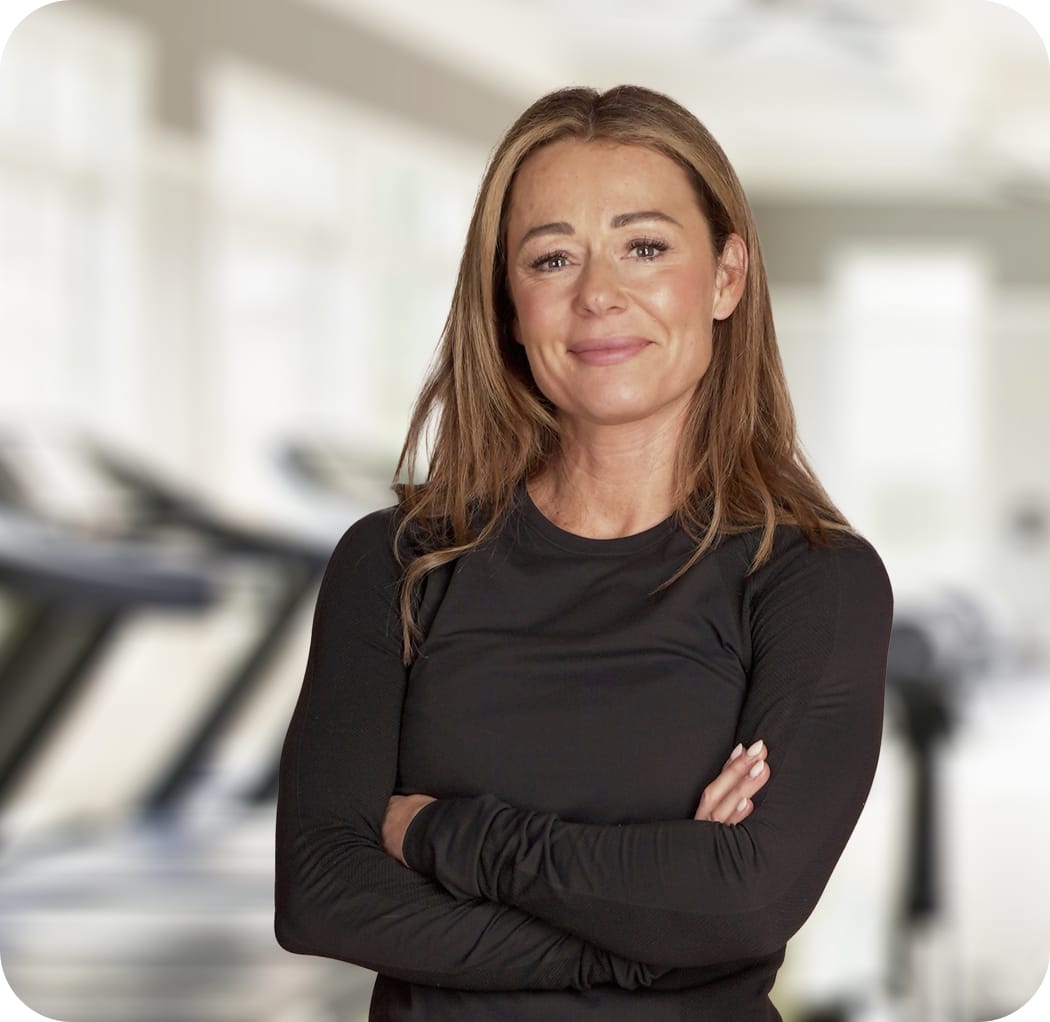
Abi can recommend the appropriate combination at your initial consultation.
Pricing and Sessions
Standard course: Six sessions over three to four weeks
Revive Pass: 20 sessions / any mix of therapies / 30 days / £575 (£28.75/session)
| Situation | Typical Protocol |
| Stress incontinence | 6 sessions over 3–4 weeks |
| Post-natal recovery | 6 sessions (after GP clearance) |
| Menopausal decline | 6 sessions + monthly maintenance |
| Prolapse prevention | 6 sessions then monthly ongoing |
| Try it | Single session |
No deposit required. No referral needed. Initial consultation included with first session.
Frequently Asked Questions
Is there a pelvic floor treatment clinic near Stratford-upon-Avon?
Yes — Revive Restore Repair in Warwickshire offers non-surgical pelvic floor treatment using HIFEMS. The only local clinic offering electromagnetic chair therapy. No GP referral needed.
Can treatment actually stop leaking when I sneeze or cough?
Clinical evidence supports HIFEMS for stress urinary incontinence. A 2019 study found significant symptom improvement, with many participants reducing or eliminating pad use after six sessions.
Why aren’t my Kegel exercises working?
Kegels require sufficient baseline muscle tone. When weakness is significant, voluntary contractions are too weak to rebuild effectively. The HIFEMS chair creates supramaximal contractions regardless of starting strength.
How does the pelvic floor chair work?
High-intensity focused electromagnetic stimulation induces thousands of powerful contractions in 30 minutes. You remain fully clothed; no internal procedures.
Is pelvic floor treatment suitable during or after menopause?
Yes — menopause is one of the most common reasons women benefit. Oestrogen decline weakens the pelvic floor; HIFEMS rebuilds tone regardless of hormonal status.
How many sessions do I need?
Standard course is six sessions, twice weekly for three weeks. Many notice improvement from session three or four. Monthly maintenance recommended after.
Can it help with prolapse symptoms?
No. Book directly at RRR. If you have a severe prolapse or recent surgical history, Abi will discuss suitability at consultation.
Is it safe after childbirth?
Yes, once cleared for pelvic floor rehabilitation (typically six weeks post-vaginal delivery; longer post-caesarean).
What’s the difference between this and a pelvic floor physiotherapist?
Physiotherapy uses manual therapy and exercise protocols. HIFEMS directly stimulates contractions without relying on voluntary effort. They are complementary — some women benefit from both.
Can it help with prolapse symptoms?
For mild-to-moderate prolapse, HIFEMS builds the muscular support structure and can prevent progression. It is not a surgical correction. Significant prolapse should be assessed medically first.
GET IN TOUCH
Book a free consultation
Non-surgical, no referral needed, no waiting list. Revive Restore Repair’s pelvic floor chair delivers clinical results in 30-minute sessions. Book your consultation online.

© 2026